
Egypt Guide 2026: Pyramids, Luxor Temples, Nile Cruises & Red Sea
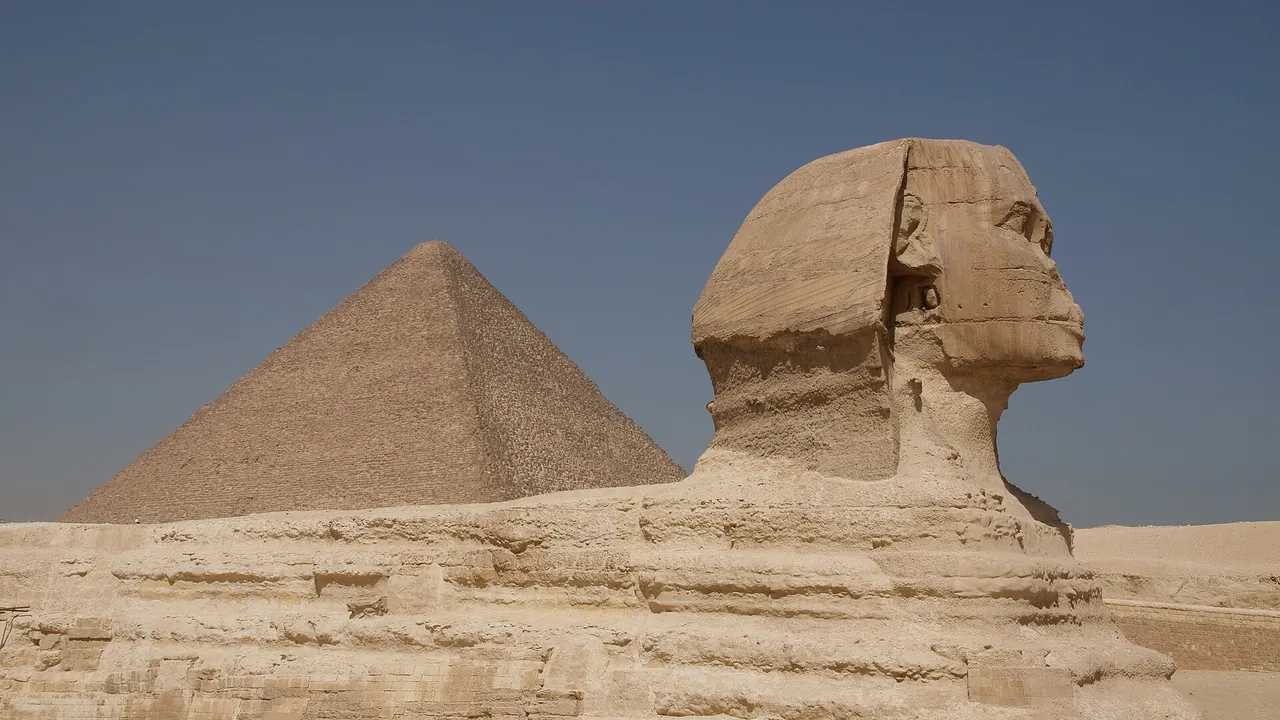
🛂 The Pyramids of Giza & the Sphinx
- The Giza plateau holds three pyramids — Khufu, Khafre and Menkaure — plus the Sphinx and the valley temples
- Interior tickets for the Great Pyramid are limited (~150/day) and sold separately at the main entrance
- Best photo light: sunrise from the panorama point, sunset from the desert side — midday is harsh and crowded
- Agree camel and horse prices in writing before mounting — touts quote one price then renegotiate at full gallop
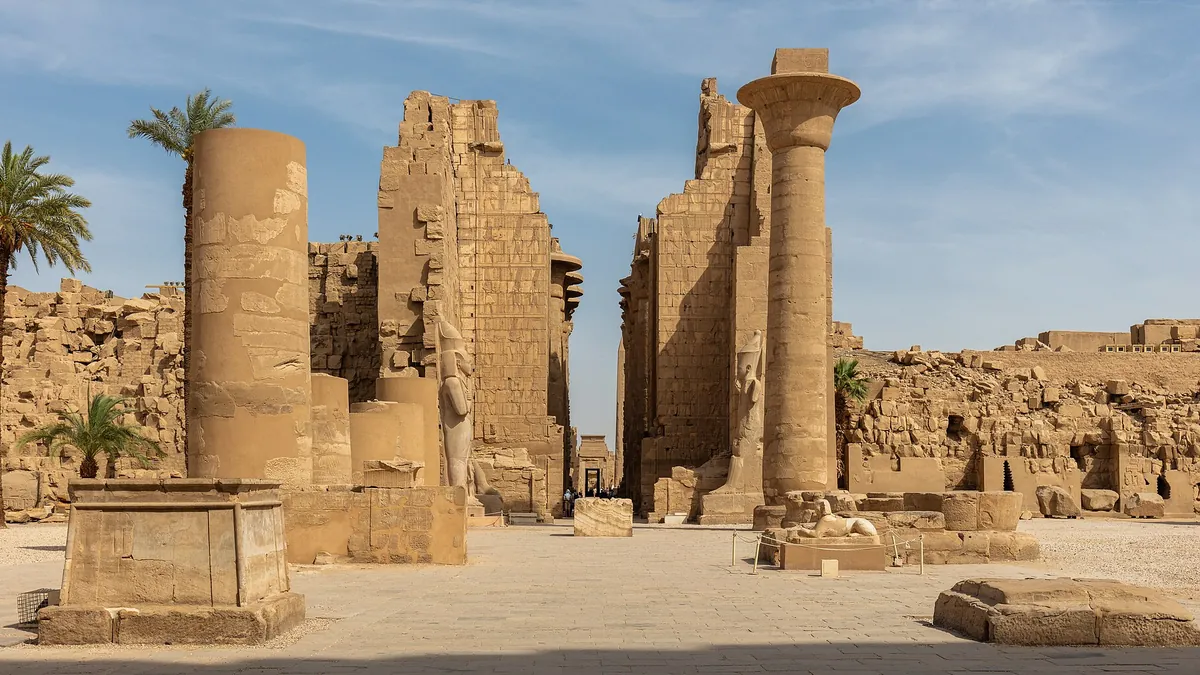
🗺️ Luxor: Karnak & Luxor Temples
- Luxor Temple stays open into the evening and is beautifully floodlit — the best visit is after sunset
- Karnak's Hypostyle Hall has 134 giant columns — arrive at 6am opening to beat the tour buses
- Sound & Light shows run at both temples most evenings with several language soundtracks
- Rule of thumb: East Bank = temples of the living, West Bank = tombs of the dead — plan one side per day
⛰️ Valley of the Kings & the West Bank Tombs
- The standard Valley of the Kings ticket covers 3 tombs; Tutankhamun's costs extra and is the smallest
- Seti I and Ramesses VI are the two tombs worth the extra tickets — deepest and best-preserved wall art
- Hatshepsut Temple and the Colossi of Memnon sit on the same West Bank circuit — pair them with the Valley
- Photography is banned inside the tombs — guards do enforce it; enjoy the art with your eyes
⛵ Nile Cruises: Luxor to Aswan
- 3-4 night Luxor–Aswan cruises depart daily; pick a top-deck cabin to escape engine noise and catch the breeze
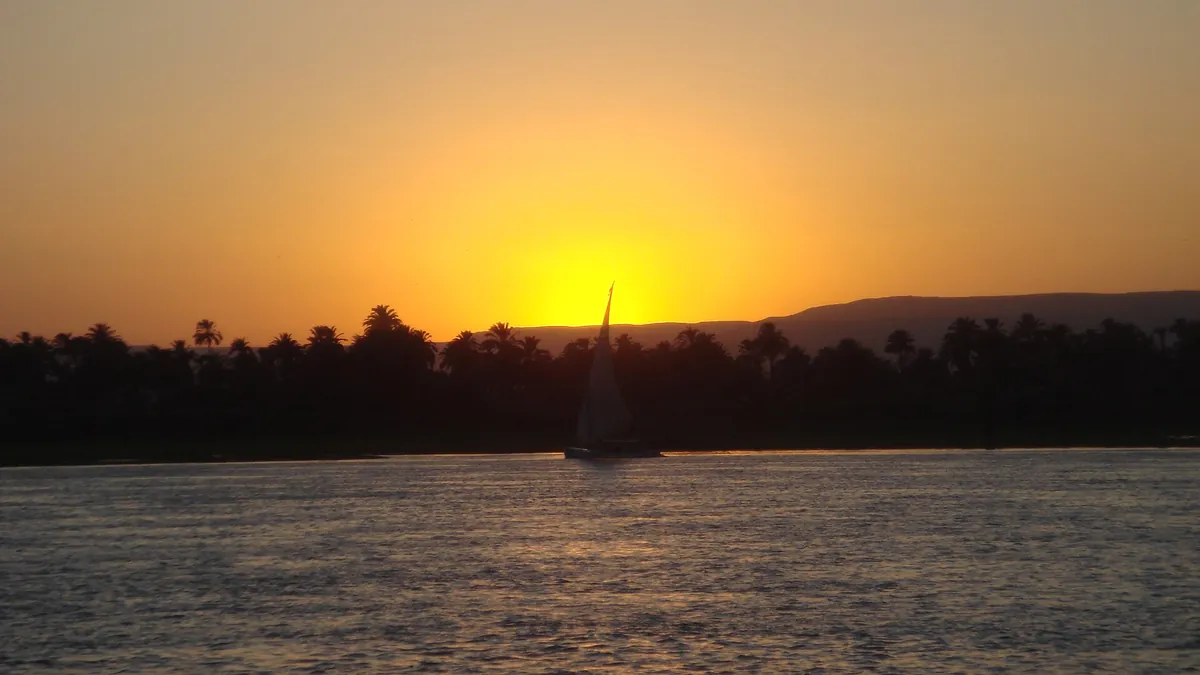
- Felucca sunset sails in Aswan cost about 200-400 EGP per private boat — share with other travelers
- Cruises stop at Edfu (Horus Temple) and Kom Ombo (the twin-god temple) between Luxor and Aswan
- Abu Simbel is a 4am convoy day trip from Aswan — set the alarm; the colossi are worth it
🏖️ Red Sea: Hurghada, Sharm & the Reefs
- Hurghada and Sharm El-Sheikh are the two resort hubs, both with direct flights from European capitals
- The Red Sea is world-class snorkeling — Ras Mohammed's reef walls are the single best site
- Desert quad safaris with Bedouin dinner and stargazing are the standard half-day add-on from either resort
- Sharm side = better reefs; Hurghada side = easier day trips to Luxor — pick by priority
📱 Visa, Transport & Money
- Most nationalities get a 30-day visa on arrival for US$25, or skip the counter with the official e-visa portal
- Buy SIM/eSIM only at official carrier stores — airport kiosk prices run 2-3x higher
- Uber and Careem work well in Cairo; in Luxor and Aswan agree taxi and tuktuk fares before boarding
- Egyptian pounds rule daily life — keep small notes for baksheesh (tipping) at tombs, toilets and photo spots
💡 Quick Tips
- Drink bottled water everywhere; hotel salads are fine, street-stall produce is a gamble
- Dress modestly outside resorts — light long sleeves also protect you from the desert sun
- Friday is the weekly rest day — some sites open late and Cairo traffic resets after midday prayer
- Small notes solve 90% of friction: bathroom attendants, photo "helpers" and gate keepers all expect baksheesh
- May-September pushes Luxor past 40°C — November to February is the real travel season
- Book Cairo–Luxor–Aswan domestic flights early; the Nile train is slow but the scenery makes up for it
- One Egypt eSIM covers Cairo, Luxor, the coast and the Nile route — activate before landing
⚡ Pro Tips
- The Cairo Pass (~US$100) bundles Giza, the Egyptian Museum and more — worth it if you visit multiple sites
- Hire a licensed Egyptologist guide for one Luxor day — the temples transform with real context
- Fly into Cairo, out of Hurghada (or reverse) — open-jaw tickets skip 6 hours of backtracking
📋 Summary
Egypt packs five millennia into one trip: pyramids at dawn, tombs in the Valley of the Kings, a slow Nile cruise and a Red Sea reef to finish. Sort the visa online, carry small notes, and let one Egypt eSIM handle the rest.


