
Cambodia Travel Guide 2026: Angkor Wat, Visa, Money & Island Tips
🛂 Visa & Entry
- Most nationalities need a visa — the tourist visa (T-class) is USD 30 on arrival or about USD 36 via the official e-visa site (evisa.gov.kh); avoid lookalike third-party sites that charge double.
- Passport must be valid 6+ months; have one passport photo and USD cash ready for the on-arrival counter at Siem Reap or Phnom Penh.
- E-visa approval usually lands in your inbox within 3 business days; print one copy — immigration occasionally asks for the paper version.
- The standard tourist stay is 30 days; extensions are possible through agencies in Phnom Penh if you fall for the temples and stay longer.
🏛️ Angkor Wat & the Temple Complex
- Buy the Angkor Pass at the official ticket centre (USD 37 one-day / 62 three-day / 72 seven-day) — passes are photo-linked and checked at every temple gate.
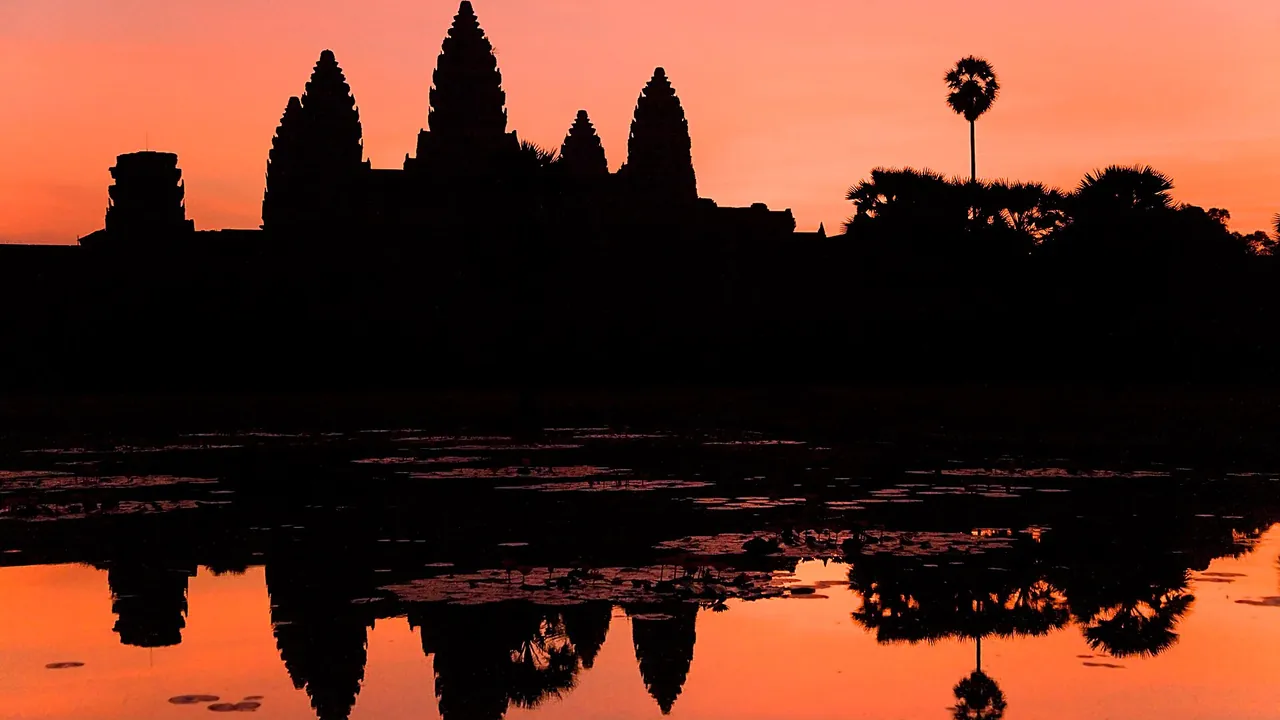
- Arrive by 4:30-5:00 am for the classic Angkor Wat sunrise across the north pond; the reflection shot is best before the crowds roll in.
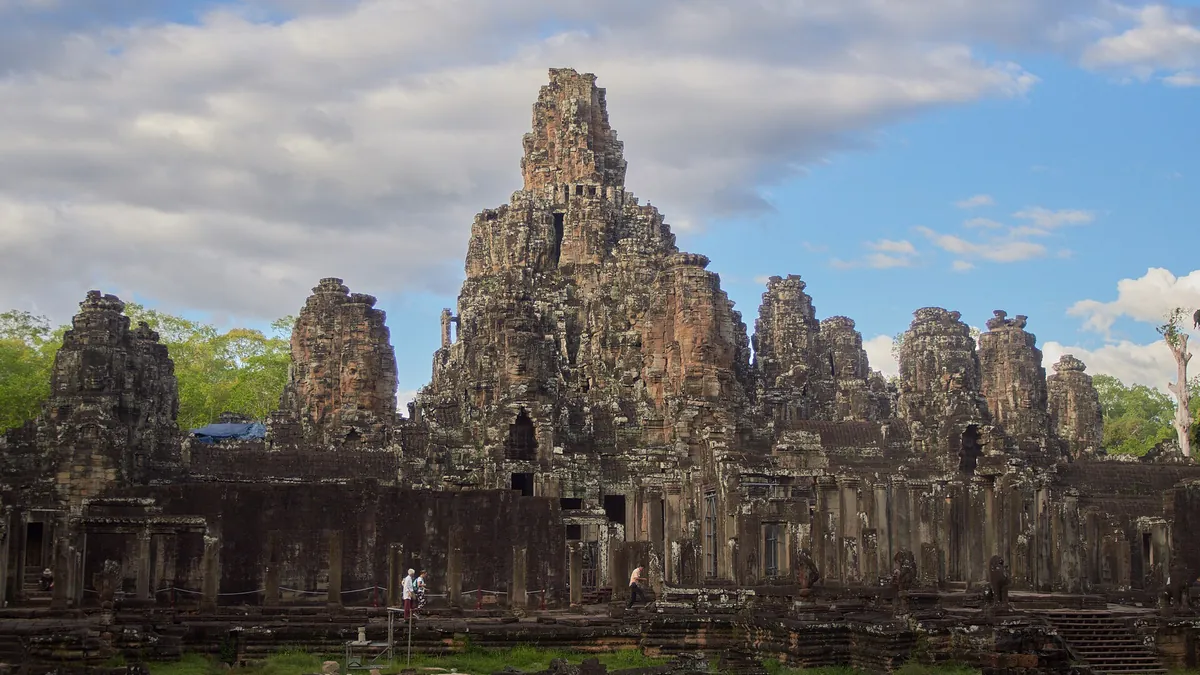
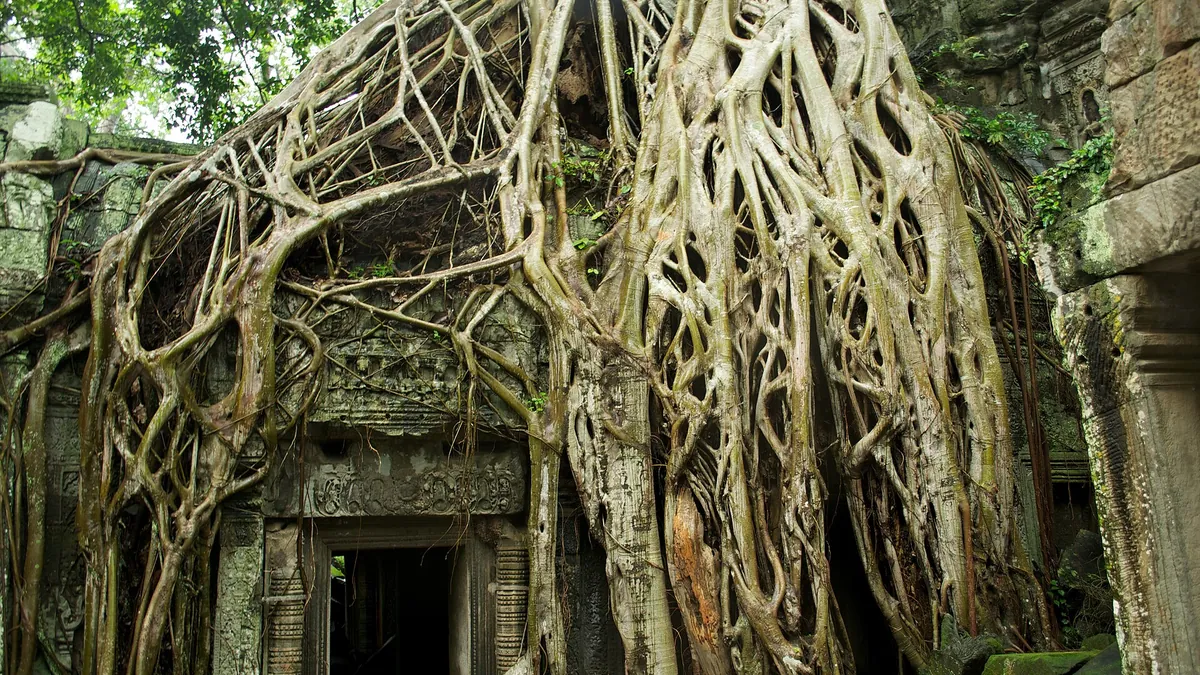
- Bayon's 200+ giant stone faces and Ta Prohm's jungle-strangled ruins (the Tomb Raider temple) pair perfectly in one loop through Angkor Thom.
- The dress code is enforced: shoulders and knees covered, or you will be turned away at the upper level of Angkor Wat.
- Hire a tuk-tuk driver for the small circuit (USD 20-25/day) — the temples are far apart and walking is not realistic in 35°C heat.
🏙️ Phnom Penh & Tonle Sap
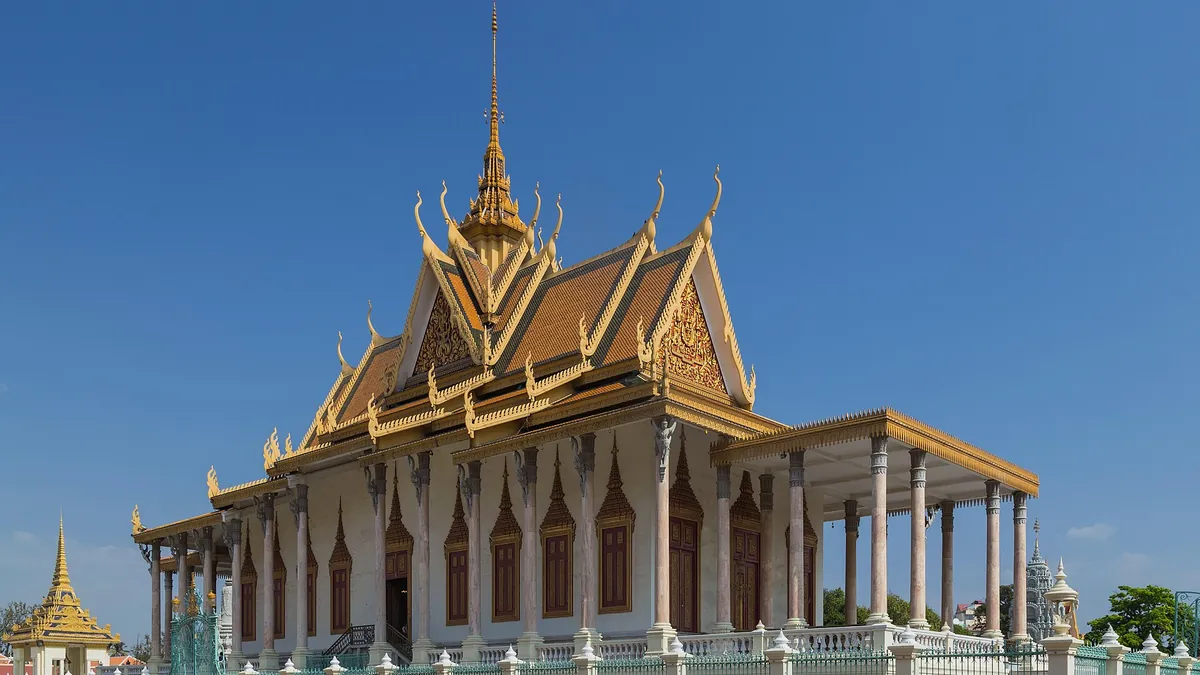
- The Royal Palace and Silver Pagoda are Phnom Penh's golden centrepiece — open mornings, modest dress required, USD 10 ticket.
- The Tuol Sleng Genocide Museum and Choeung Ek memorial are sobering but essential for understanding modern Cambodia; allow half a day.
- Sunset cruises on the Mekong–Tonle Sap confluence cost USD 5-10 and show the capital from its best angle.
- From Siem Reap, a day trip to Kampong Phluk's stilted village on Tonle Sap shows lake life that rises and falls 8 metres with the seasons.
🏖️ Coast & Islands
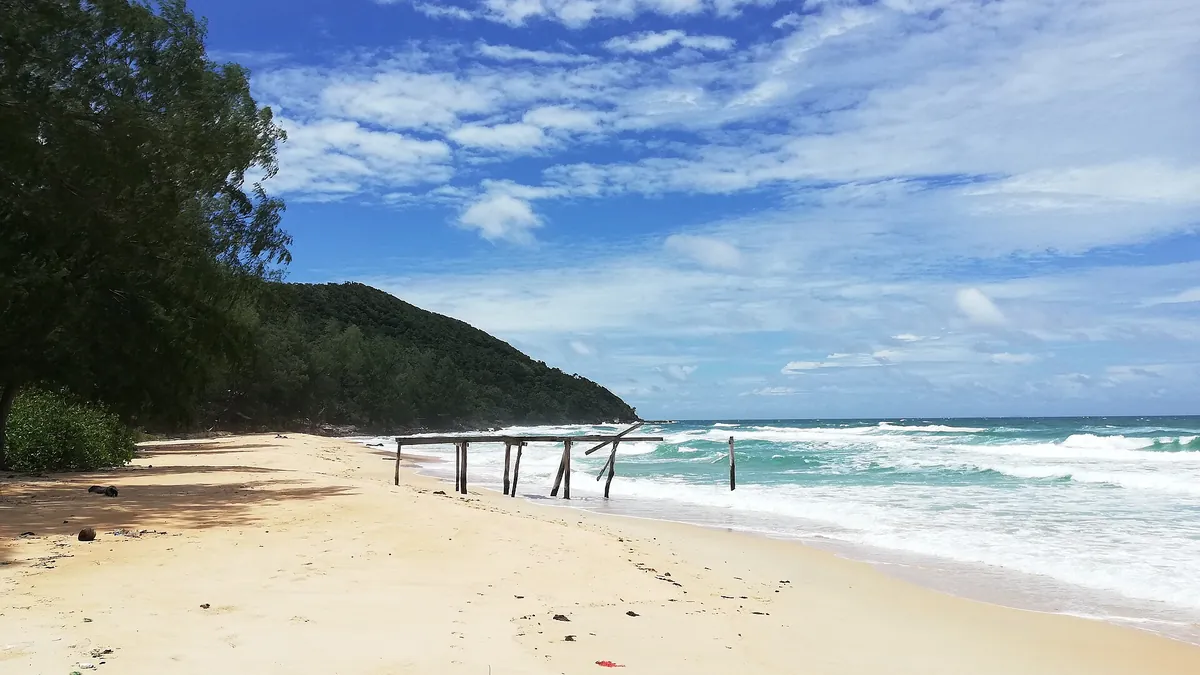
- Koh Rong and Koh Rong Samloem offer the country's best beaches — blinding white sand, bioluminescent plankton night swims and USD 15-40 bungalows.
- Kep is the crab capital: pick your own crab at the market and eat it with green Kampot pepper at a seafront stall.
- Kampot itself is worth 2-3 days — colonial riverside town, pepper-farm tours and Bokor Hill Station's misty abandoned resort.
🍜 Khmer Food
- Fish amok is the national dish — coconut curry steamed in banana leaves; try it at a local restaurant rather than a hotel buffet.
- Lok lak (peppery stir-fried beef with a lime-pepper dip) and kuy teav (pork noodle broth, the USD 1-2 breakfast of choice) cover your daily staples.
- Kampot pepper is world-famous — buy some green or black peppercorns as an edible souvenir.
- Street food is generally safe at busy stalls; skip raw greens at quiet places and stick to bottled water everywhere.
🚲 Getting Around
- Tuk-tuks are the default: agree the price before riding (USD 1-3 in town) or use the PassApp/Grab app for fixed fares in Phnom Penh and Siem Reap.
- The Phnom Penh–Siem Reap bus takes 6 hours for USD 10-15 (Giant Ibis is the comfiest operator); flights are about 50 minutes and often cheaper.
- Scooter rental is USD 5-10/day, but drive defensively — traffic rules are optional in practice, and your travel insurance may not cover you.
👛 Money & Costs
- Cambodia is dual-currency in practice: everything is quoted in US dollars, and riel (KHR, about 4,100 = USD 1) comes back as small change.
- ATMs dispense USD (some banks charge a small fee); carry small bills — torn or old USD notes are often refused.
- Budget USD 25-40/day for comfortable mid-range travel; temple passes, guides and private drivers are the main extras.
💡 Quick Tips
- Temple etiquette is strict: covered shoulders and knees, speak quietly, never touch or climb on carvings, and never point your feet at Buddha statues.
- Dry season (Nov–Apr) is prime time — cool in Nov–Jan, blazing in Mar–Apr. Wet season (May–Oct) means afternoon downpours but moated temples at their most photogenic.
- Carry USD in small, crisp notes; vendors and tuk-tuk drivers rarely have change for 50s or 100s.
- Tap water is not drinkable — bottled water is everywhere at USD 0.30-0.50.
- Buy your Angkor Pass after 4:45 pm the day before: staff let you in for that evening's sunset for free, while your pass officially starts the next day.
- English is widely spoken in tourist areas; a smile plus a basic 'sous-dey' (hello) opens doors.
- Monks are deeply respected — give up your seat on buses and always ask before photographing them.
⚡ Pro Tips
- Angkor Wat's upper level caps visitor numbers — go before 7:30 am or you may queue an hour in the sun.
- A 3-day pass spread over a week beats one exhausting marathon day; temples are best in split shifts (dawn plus late afternoon).
- Download offline maps and PassApp before arriving; in Siem Reap many drivers work via WhatsApp rather than ride apps.
📋 Summary
Temples, Khmer curries, lake villages and empty beaches — Cambodia rewards slow travel. This guide covers the e-visa, the Angkor Pass, tuk-tuk fares, dual-currency quirks and the spots worth your days.


