
📅 Russia Public Holidays 2026 & 2027
Public Holidays 2026
| Date | Holiday | Type |
|---|---|---|
| 1 Jan 2026 · Thu | New Year's Day (Новый год) | Public |
| 2 Jan 2026 · Fri | New Year holiday (Новогодние каникулы) | Public |
| 3 Jan 2026 · Sat | New Year holiday (Новогодние каникулы) | Public |
| 4 Jan 2026 · Sun | New Year holiday (Новогодние каникулы) | Public |
| 5 Jan 2026 · Mon | New Year holiday (Новогодние каникулы) | Public |
| 6 Jan 2026 · Tue | New Year holiday (Новогодние каникулы) | Public |
| 7 Jan 2026 · Wed | Christmas Day (Orthodox) (Рождество Христово) | Public |
| 23 Feb 2026 · Mon | Defender of the Fatherland Day (День защитника Отечества) | Public |
| 8 Mar 2026 · Sun | International Women's Day (Международный женский день) | Public |
| 1 May 2026 · Fri | Labour Day (День труда) | Public |
| 9 May 2026 · Sat | Victory Day (День Победы) | Public |
| 12 Jun 2026 · Fri | Russia Day (День России) | Public |
| 4 Nov 2026 · Wed | Unity Day (День народного единства) | Public |
Public Holidays 2027
Provisional — most countries publish the official calendar late in the year.
| Date | Holiday | Type |
|---|---|---|
| 1 Jan 2027 · Fri | New Year's Day (Новый год) | Public |
| 2 Jan 2027 · Sat | New Year holiday (Новогодние каникулы) | Public |
| 3 Jan 2027 · Sun | New Year holiday (Новогодние каникулы) | Public |
| 4 Jan 2027 · Mon | New Year holiday (Новогодние каникулы) | Public |
| 5 Jan 2027 · Tue | New Year holiday (Новогодние каникулы) | Public |
| 6 Jan 2027 · Wed | New Year holiday (Новогодние каникулы) | Public |
| 7 Jan 2027 · Thu | Christmas Day (Orthodox) (Рождество Христово) | Public |
| 23 Feb 2027 · Tue | Defender of the Fatherland Day (День защитника Отечества) | Public |
| 8 Mar 2027 · Mon | International Women's Day (Международный женский день) | Public |
| 1 May 2027 · Sat | Labour Day (День труда) | Public |
| 9 May 2027 · Sun | Victory Day (День Победы) | Public |
| 12 Jun 2027 · Sat | Russia Day (День России) | Public |
| 4 Nov 2027 · Thu | Unity Day (День народного единства) | Public |
ℹ️ Why these dates matter
Russian holidays arrive in blocks, and the country plans life around them well in advance. The New Year break from 1 to 7 January is the quietest and most decorated week of winter, while spring and May add long weekends that move crowds across the whole country. Government offices, banks and many small businesses close on statutory holidays, and big celebrations can bring street closures, parade rehearsals and heavy demand on trains and hotels.

Festivals Worth Planning a Trip Around
Beyond the stat holidays — the events that define the travel year.
New Year holiday — 1–7 January 2026 (Thu–Wed), with Orthodox Christmas on Wed 7 January
Novy God is the biggest holiday block of the Russian year: decorated squares, fairs and the Ded Moroz figure in every city, with many people away from work for the whole week. Orthodox Christmas closes it on 7 January with church services and family tables rather than shopping. Book trains and central hotels early, since this is peak demand; assume some independent cafés and museums keep reduced holiday hours.
Maslenitsa — About 16–22 February 2026 (Mon–Sun)
Maslenitsa is the butter week before Lent, when parks and open-air museums fill with blini, sleigh rides, folk shows and the burning of a straw effigy on the final Sunday. Dates move with the Orthodox calendar, so confirm the local festival programme before booking; outdoor events are free in many cities.
Victory Day — 9 May 2026 (Sat)
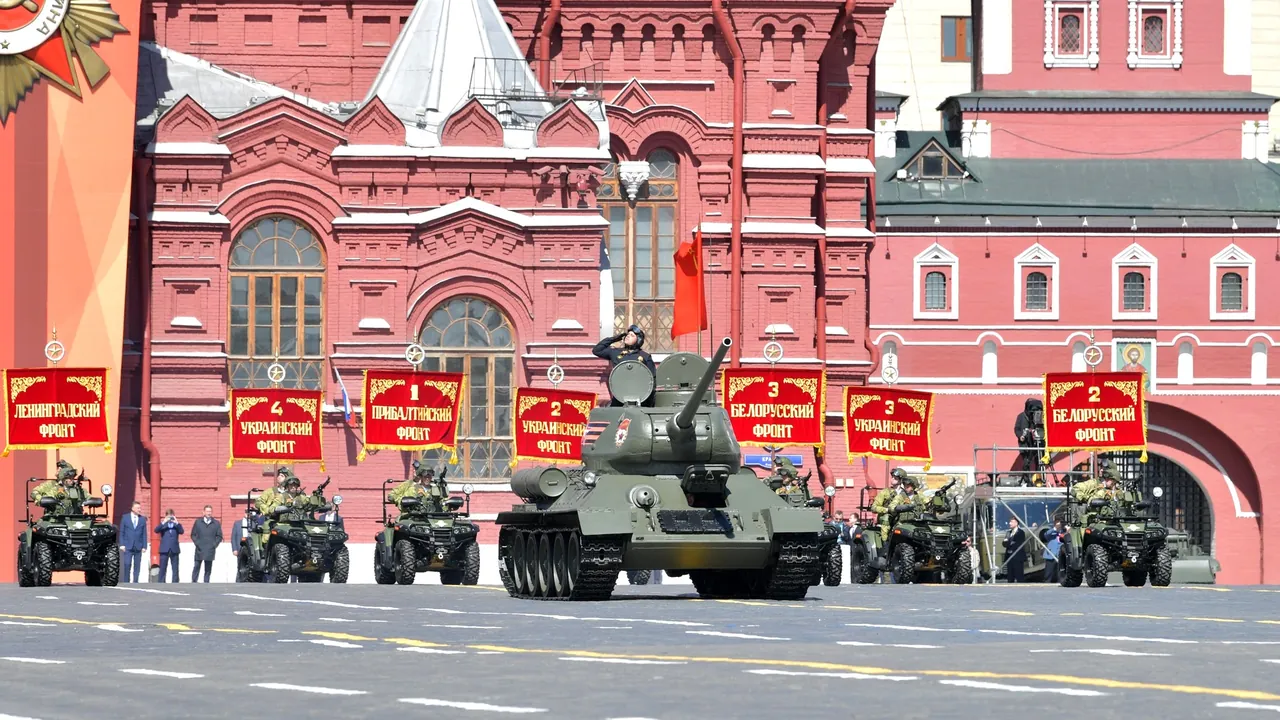
Victory Day is the country’s most emotional public holiday, with veterans marches, the Immortal Regiment processions and the large military parade on Red Square in Moscow. Rehearsals and security can close parts of the city centre in the days before, so book hotels early and plan to watch on a screen or from a permitted riverside point.
White Nights — Late May to mid-July 2026 (nightly)
Not a holiday, but the brightest travel season in the country: St Petersburg stays twilight-bright through the night, with bridge-raising schedules, canal boat trips and open-air performances. Hotels and popular trains for late June sell out early, especially around the Scarlet Sails school-leavers celebration.
💡 Quick Tips
- Book trains and central hotels several months ahead for the New Year week and for Victory Day.
- Government offices and banks close on statutory holidays, and some small independent businesses may also pause.
- Check museum and attraction hours again before each visit, because holiday timetables can change by venue.
- Leave extra time around Victory Day rehearsals, when parts of central Moscow and other cities may close to traffic.
⚡ Pro Tips
- Travel on 1 January itself if you must move: services run and the crowds are smaller than on either side of it.
- For May holidays, plan city days before 7 May and keep the 9th for a fixed base with a parade or broadcast.
- Book White Nights river trips and bridge-opening sailings in advance, because the most convenient evening departures fill first.
📋 Summary
Travel planning around every Russian public holiday in 2026 and 2027, from the long New Year break and Orthodox Christmas to the Maslenitsa week and the Victory Day parade. Expect packed trains, booked-out central hotels and closed streets on the biggest days, then reward yourself with St Petersburg’s White Nights in summer.
Frequently Asked Questions
Are shops and museums open on Russian public holidays?
Large shopping centres and many museums usually keep trading on holidays, often with modified hours, while government offices and banks close. Smaller independent cafés and shops may pause, so check each venue’s own announcement before you set out.
Can visitors watch the Victory Day parade in Moscow?
Access to Red Square on 9 May is tightly controlled, and most travellers watch on television or large public screens instead. Rehearsals in the days before can also close central streets, so plan a fixed base and allow extra travel time. Check current official guidance nearer the date, as arrangements can change.
When is the best time to visit Russia for fewer crowds?
The quietest stretches are usually outside the 1–7 January block, the May holiday cluster and the late-June White Nights peak. Late September and October give pleasant city walking, and late winter outside the holiday weeks can be attractive for winter events with fewer visitors in the streets.


